



























Aphids: Effective natural control methods for your garden
Aphids are among the most common plant pests in the garden, on balcony plants, and in the greenhouse. They usually sit on young shoots and buds, sucking plant sap and thereby inhibiting growth, curling leaves, and weakening plants overall. The good news: with a smart mix of monitoring, beneficial-friendly measures, and targeted support, aphids can often be reduced quickly and sustainably.
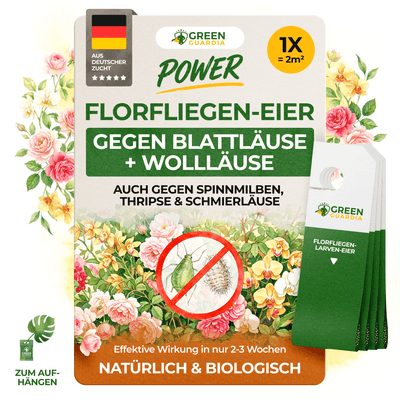
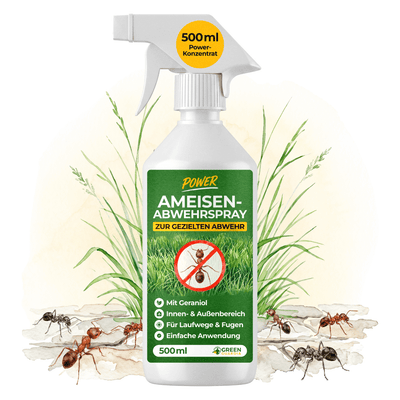
The use of natural predators such as lacewing larvae is particularly effective: Lacewing larvae & eggs against aphids (for spreading) or as a practical version for placing on plants: Lacewing larvae & eggs against aphids (for hanging). For supplementary, straightforward plant care, an Aphid defense spray can also be useful – ideal if you want to act quickly.
🐞 Tip: The earlier you spot aphids, the easier control becomes. Check young shoots, leaf undersides, and buds regularly – especially in spring and during warm weather.
Causes: Why do aphids appear so frequently?
Aphids multiply extremely quickly under suitable conditions. Common triggers are warm, dry weather, many soft young shoots (e.g., after heavy fertilization), and an imbalance in the garden when natural enemies such as ladybugs, lacewings, or parasitic wasps are missing. Ants can also "protect" aphids because they like honeydew – which further increases the infestation pressure.
Typical risk factors in the garden
- Many fresh, soft shoots (e.g., after heavy nitrogen fertilization)
- Warm, dry microclimate (balcony, greenhouse, sheltered corners)
- Too few beneficial insects (few flowering plants, hardly any retreats)
- Ant trails on infested plants
Detection: How do you recognize an aphid infestation?
If you want to identify aphids, look for these typical signs. Especially important: Aphids like to sit on the most tender plant parts – that's where the plant sap is most attractive.
- Clusters of small green, black, or reddish lice on shoot tips & buds
- Curled, sticky, or shiny leaves (honeydew)
- Weak growth, curled leaves, deformed young shoots
- Ants visibly running along the plant
- Black coating (sooty mold) on sticky leaves
Control: Natural measures that really help
To effectively reduce aphids, a phased approach has proven effective: first relieve pressure through mechanical and care measures, then provide targeted support with beneficial insects – and work with a suitable solution as a supplement if necessary.
1) Immediate measures for severe infestation
- Rinse off the aphids with a strong jet of water (especially on leaf undersides)
- Remove shoot tips if they are heavily infested (only compost if certain it is uncritical)
- Stop ants (e.g., glue ring/barrier on the trunk) to prevent them from "guarding" the aphids
2) Use beneficial insects: Lacewing larvae as natural helpers
Lacewing larvae are considered true "aphid hunters": They continue where water jets and pruning leave off. For targeted support, you can choose based on your situation: Lacewing larvae & eggs against aphids (for spreading) or – especially practical if you want to treat multiple plants – Lacewing larvae & eggs against aphids (for hanging).
- Ideal for vegetables, ornamental plants, roses, fruit & balcony plants
- Particularly useful for recurring infestations or many plants
- Supports the natural balance in the garden
3) Supplementary support: Defense spray for plant care
If you also want to integrate a simple measure for plant care, an Aphid defense spray can be a sensible addition – especially if you want to react quickly at the first signs and keep your plants thoroughly stable. Combined with beneficial insects like lacewing larvae, it creates a particularly sustainable approach.
✅ Remember: The best strategy is almost always a combination of early detection, beneficial insects, and beneficial-friendly care. This way, you don't just reduce aphids in the short term, but stabilize the garden long-term.
Prevention: How to keep plants aphid-free in the long run
Prevention doesn't mean "preventing everything," but rather designing the garden so that aphids cannot spread in massive numbers. This works primarily through strong plants and an active beneficial insect network.
- Fertilize in a balanced way: too much nitrogen promotes soft shoots – an aphid magnet
- Incorporate flowering plants (beneficial insects need pollen & nectar)
- Create retreats: hedges, perennials, insect hotels, leaf/deadwood corners
- Check regularly: especially shoot tips and leaf undersides
- In case of recurring infestation, provide targeted support with lacewing larvae for hanging or lacewing larvae for spreading
Source reference: For general recommendations on natural garden care and promoting beneficial insects, information from, among others, the German Environment Agency as well as renowned horticultural and consumer organizations is helpful.
FAQ about aphids
How can I safely identify aphids?
Aphids often sit on shoot tips, buds, and leaf undersides. Typical signs also include sticky leaves (honeydew), curled leaves, and ants on the plant.
What helps most quickly against aphids in the garden?
For a quick start: rinse off aphids and remove heavily infested shoot tips. Afterwards, natural support is particularly sustainable – e.g., with lacewing larvae. Additionally, an Aphid defense spray can be useful if you want to react immediately.
Which version is better: spreading or hanging lacewing larvae?
That depends on your plants. The spreading set (for spreading) is well-suited if you are treating individual plants/beds in a targeted manner. The version (for hanging) is practical if you have multiple plants in the area and want to keep application very easy.
How can I prevent aphids long-term?
Promote beneficial insects with flowering plants and retreats, fertilize in a balanced way (not too nitrogen-heavy), and check plants regularly. In case of recurring infestation, targeted support with lacewing larvae can stabilize the garden long-term.
Take action now:
Check your plants today for leaf undersides and shoot tips – and react early. For sustainable, natural support, we recommend lacewing larvae & eggs against aphids or the practical version for hanging. If you are also looking for an uncomplicated plant care solution, the Aphid defense spray can also be useful. Further tips can be found in our Green Guardia guide.


