






























































Fighting rice weevils: Natural and eco-friendly solutions
A rice weevil infestation often comes as a surprise: at first, it's just one little beetle in the pantry, but shortly after, you find several of them in the pantry or directly in your rice, pasta, or other dry goods. To prevent stored product pests from spreading, it is important to act quickly – preferably with a clear, natural plan covering causes, identification, remedial measures, and prevention.
The good news is: rice weevils can usually be easily controlled in households if you find the source, clean thoroughly, and then focus on sustainable prevention.
Causes: Where do rice weevils in the kitchen come from?
Rice weevils (and similar pantry beetles) are often introduced via already infested products – for example, via rice, grain, flour, legumes, or pet food. Eggs or tiny larvae are often not visible. Warm, dry storage conditions also favor their development, allowing the infestation to spread to other supplies more quickly.
- Introduction via infested packaging or loose goods
- Openly stored food (rice, muesli, flour, grains, dry pet food)
- Warmth in the pantry cupboard (e.g., near the stove/radiator)
- Cracks & crevices as hiding spots for various life stages
Tip: If you keep seeing beetles, the source is often in cabinet crevices, drill holes, or behind baseboards – not just in the visible packaging.
Identification: How do you recognize a rice weevil infestation?
Rice weevils are small and are often first discovered by the damage they cause. The sooner you react, the easier it is to stop the infestation. Pay special attention to these signs:
- Small beetles in the pantry, in drawers, or on shelves
- Larvae or fine traces of crumbs/dust in rice, grain products, or flour
- Multiple findings within a short time – especially in warm areas
- Suspicious packages (e.g., rice bags) that suddenly appear "active"
Control: Natural measures that really help
If you want to get rid of rice weevils, two things count: removing the source and thoroughness. With these steps, you can reliably get the situation under control:
1) Consistently discard infested food
- Check all dry stores: rice, pasta, flour, muesli, grains, legumes, dry pet food.
- Dispose of affected products in airtight packaging (do not store openly in the trash can).
- Basically, check all open goods critically – it is better to be consistent once too often than too hesitant.
2) Deep-clean cabinets – including cracks, drill holes, hinges
- Empty the cupboard completely and vacuum thoroughly (corners, joints, screw holes).
- Then wipe damply to remove dust and possible residues.
- Empty or dispose of the vacuum cleaner bag/container immediately (preferably outside).
3) Biological support: Targeted use of parasitic wasps
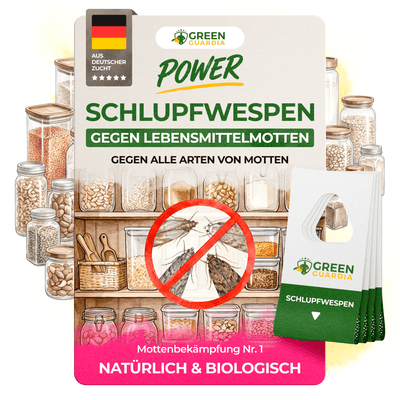
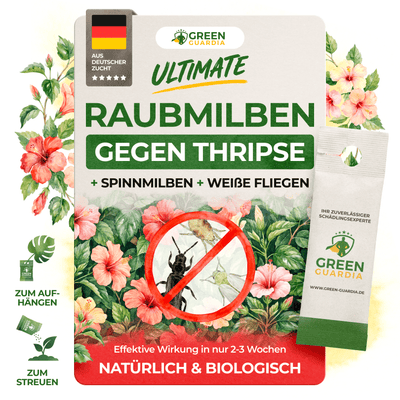
For sustainable, eco-friendly support in storage areas, many households rely on parasitic wasps. These beneficial insects are designed to work in typical storage and pantry areas and reduce the infestation pressure in a natural way – without aggressive chemicals near your food.
Especially if you are not sure whether all life stages have actually been removed, the use of parasitic wasps can be a very sensible addition to cleaning – so that a "gone for now" doesn't turn into "keeps coming back."
Prevention: How to protect rice, supplies, and the pantry long-term
Rice weevil problems almost always arise where supplies are left open for a long time or packaging does not close tightly. With these measures, you can reduce the risk permanently:
- Store rice and dry goods in airtight containers (glass or cans with seals)
- Check new supplies briefly and do not store them long-term in paper packaging
- Clean regularly – especially corners, edges, drill holes, and baseboards
- Avoid heat sources near supplies (e.g., next to the stove/radiator)
- In case of recurring risk, provide preventative support with parasitic wasps
Frequently asked questions about rice weevils
How do rice weevils get into rice and supplies?
Rice weevils are often introduced via already infested products. Eggs or larvae are often not visible – the infestation is only noticed when beetles appear in the cupboard or in the product.
What is the fastest way to get rid of rice weevils?
Check all supplies, consistently dispose of infested products, and clean the cupboard thoroughly – especially cracks and drill holes. For a sustainable, natural addition, you can also use parasitic wasps.
Can the infestation return after cleaning?
Yes, if individual developmental stages remain in crevices or in hard-to-reach places, or if infested goods are brought in again. Airtight storage and regular checks are crucial – for high-risk areas, parasitic wasps can provide additional preventative support.
What is the best way to store rice to prevent rice weevils?
It is best to store rice in an airtight container (glass or can with a seal). This prevents introduced pests from spreading in the cupboard or infesting other supplies.
Take action now:
If you have discovered rice weevils, start checking all supplies immediately, dispose of infested products, and clean the cupboard thoroughly. For sustainable, eco-friendly support in storage areas, you can additionally use parasitic wasps – especially if you want to avoid relapses.

